Organic Vegetable Gardening at Home 2026: Complete Guide for Beginners to Grow Fresh Vegetables Naturally
Organic vegetable gardening at home has become one of the most rewarding and sustainable practices for modern homeowners seeking to reconnect with nature and produce fresh, healthy food for their families. The beauty of growing your own vegetables organically lies not only in the delicious, chemical-free produce you harvest but also in the deep sense of satisfaction that comes from nurturing plants from seed to table. Whether you have a sprawling backyard, a modest balcony, or just a sunny windowsill, organic vegetable gardening is accessible to everyone and offers numerous benefits for your health, your wallet, and the environment.
Why Choose Organic Vegetable Gardening at Home?
The decision to start organic vegetable gardening at home is driven by a growing awareness of the importance of clean, healthy food and the desire to reduce our environmental footprint. Commercially grown vegetables are often treated with synthetic pesticides, herbicides, and chemical fertilizers that can leave harmful residues on the produce we consume. By growing your own vegetables organically, you have complete control over what goes into your soil and onto your plants, ensuring that the food you eat is free from toxic chemicals and rich in essential nutrients.
Organic vegetable gardening at home also significantly reduces your carbon footprint by eliminating the need for long-distance transportation, refrigeration, and packaging associated with store-bought produce. The food you harvest from your garden travels just a few steps from the soil to your kitchen, meaning it is fresher, more flavorful, and retains more of its nutritional value. Additionally, organic gardening practices improve soil health by promoting beneficial microorganisms, enhancing water retention, and increasing biodiversity in your garden ecosystem.
For beginners wondering how to start organic vegetable gardening at home, the good news is that the process is simpler than you might think. With a few basic supplies, some quality organic seeds or seedlings, and a willingness to learn, you can transform a small patch of land or a few containers into a productive vegetable garden that provides fresh produce throughout the growing season. The joy of eating a tomato that you grew yourself, still warm from the sun, is an experience that no supermarket can replicate.
Essential Supplies for Starting Organic Vegetable Gardening at Home
Before you begin your organic vegetable gardening at home journey, it is important to gather the essential supplies that will set you up for success. The most critical element is the soil, as healthy soil is the foundation of any successful organic garden. You will need good quality organic potting mix or garden soil enriched with compost and well-rotted manure. Organic soil amendments such as bone meal, blood meal, and rock phosphate provide essential nutrients that support healthy plant growth and abundant harvests.
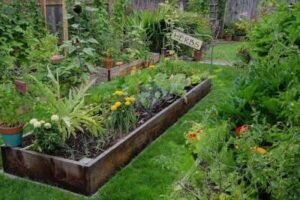
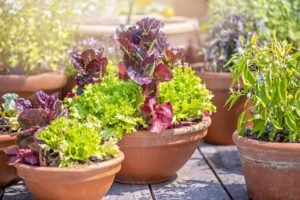
Containers or garden beds are the next essential consideration for organic vegetable gardening at home. If you have limited space, raised garden beds or large containers are excellent options that allow you to control the soil quality and drainage. Choose containers that are at least 12 to 18 inches deep to accommodate the root systems of most vegetables. For those with more extensive garden space, preparing in-ground beds with well-draining soil and good organic matter will set the stage for a bountiful garden.
Quality organic seeds or seedlings are the heart of your organic vegetable gardening at home endeavor. Look for certified organic seeds from reputable suppliers, as these are guaranteed to be free from chemical treatments and are adapted to grow well in organic conditions. Some of the easiest vegetables for beginners to grow organically include tomatoes, lettuce, spinach, carrots, radishes, beans, zucchini, and herbs like basil and parsley. Starting with these reliable crops builds confidence and provides quick rewards for your gardening efforts.
Step-by-Step Guide to Starting Organic Vegetable Gardening at Home
Beginning your organic vegetable gardening at home journey starts with selecting the right location for your garden. Most vegetables require at least six to eight hours of direct sunlight per day to thrive and produce a good harvest. Observe your yard or balcony throughout the day to identify the sunniest spots, and plan your garden layout accordingly. If you have limited sunny areas, prioritize growing sun-loving vegetables like tomatoes and peppers in the sunniest spots, and plant leafy greens like spinach and lettuce in slightly shadier areas.
Preparing the soil is the next crucial step in organic vegetable gardening at home. Start by removing any weeds, rocks, or debris from your planting area. If you are using containers, fill them with a high-quality organic potting mix. For in-ground beds, loosen the soil to a depth of at least 12 inches and incorporate generous amounts of compost and organic matter. This not only provides nutrients for your plants but also improves soil structure, drainage, and water-holding capacity, creating an ideal environment for root development.
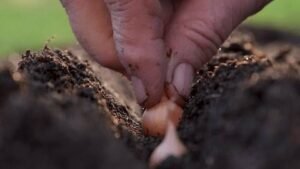
Planting your seeds or seedlings is where the magic of organic vegetable gardening at home truly begins. Follow the spacing recommendations on your seed packets or plant labels to ensure your vegetables have enough room to grow and access nutrients without competing with neighboring plants. Water the soil gently after planting, keeping it consistently moist but not waterlogged. As your plants grow, provide support for climbing vegetables like beans and tomatoes with stakes, trellises, or cages, which also help keep the fruit off the ground and prevent disease.
Best Organic Vegetables to Grow at Home for Beginners
When starting organic vegetable gardening at home, choosing the right vegetables to grow can make the difference between a thriving garden and a disappointing experience. Leafy greens such as lettuce, spinach, and Swiss chard are excellent choices for beginners because they grow quickly, require minimal space, and can be harvested continuously for several weeks. These greens are packed with essential vitamins and minerals, making them a nutritious addition to your daily diet. They also thrive in cooler weather, making them perfect for spring and fall gardening.
Tomatoes are one of the most popular vegetables for organic vegetable gardening at home, and for good reason. Homegrown tomatoes are incomparably flavorful compared to their store-bought counterparts, and they are relatively easy to grow in most climates. Choose compact determinate varieties for containers or small spaces, and larger indeterminate varieties for sprawling garden beds. Cherry tomatoes are particularly rewarding because they produce abundant fruit that ripens quickly and can be enjoyed fresh in salads, cooked in sauces, or dried for winter storage.
Root vegetables like carrots, radishes, and beets are also excellent choices for beginners in organic vegetable gardening at home. These vegetables grow beneath the soil, making them relatively pest-free and easy to maintain. Radishes are especially fast-growing and can be ready for harvest in as little as three to four weeks, giving new gardeners a quick and satisfying first harvest. Carrots require a bit more patience but reward you with sweet, crunchy roots that are a delicious addition to any meal. Growing your own root vegetables also allows you to enjoy varieties that are rarely found in supermarkets, such as purple carrots or golden beets.
Organic Pest Control Methods for Home Vegetable Gardens
One of the challenges of organic vegetable gardening at home is managing pests without resorting to synthetic chemical pesticides. Fortunately, there are many effective organic pest control methods that are safe for your plants, beneficial insects, and the environment. The first line of defense is prevention, which includes practices such as crop rotation, companion planting, and maintaining healthy soil. Healthy plants are naturally more resistant to pests and diseases, so providing optimal growing conditions is the best way to minimize pest problems.
Companion planting is a highly effective strategy in organic vegetable gardening at home that involves growing certain plants together to deter pests, attract beneficial insects, or improve growth. For example, planting basil near tomatoes is believed to repel tomato hornworms and enhance tomato flavor. Marigolds are known to repel nematodes and other soil pests, while nasturtiums attract aphids away from more valuable vegetables. Incorporating flowers and herbs into your vegetable garden creates a diverse ecosystem that supports natural pest control and improves overall garden health.
When pests do appear in your organic vegetable gardening at home, there are several organic control methods you can employ. Insecticidal soaps and neem oil are effective against many common garden pests, including aphids, spider mites, and whiteflies. These products are biodegradable and safe for use on edible plants when applied according to the instructions. For caterpillar infestations, Bacillus thuringiensis (BT) is a naturally occurring bacterium that specifically targets leaf-eating caterpillars without harming beneficial insects. Encouraging natural predators such as ladybugs, lacewings, and birds in your garden also provides effective long-term pest control.
Harvesting and Storing Your Organic Vegetables
Harvesting is the most rewarding part of organic vegetable gardening at home, and knowing when and how to harvest your vegetables ensures maximum flavor, nutrition, and enjoyment. Leafy greens are best harvested in the morning when they are crisp and full of moisture. Pick individual outer leaves as needed, allowing the inner leaves to continue growing for multiple harvests. Tomatoes should be left to fully ripen on the vine for the best flavor, but they can also be picked when they start to show color and allowed to ripen indoors if weather conditions are unfavorable.
Root vegetables in your organic vegetable gardening at home garden are ready for harvest when they reach the desired size. Carrots and radishes can be gently pulled from the soil when the tops of the roots are visible above the ground. Beets are ready when the roots are about one to two inches in diameter, and they can be harvested continuously as needed. Proper harvesting techniques, such as using a garden fork to loosen the soil around root vegetables, prevent damage to the vegetables and the surrounding plants.
Storing your harvested organic vegetables properly extends their shelf life and allows you to enjoy the fruits of your organic vegetable gardening at home efforts for weeks or even months. Many vegetables, including tomatoes, peppers, and eggplant, should be stored at room temperature away from direct sunlight. Leafy greens and herbs can be stored in the refrigerator in a plastic bag with a paper towel to absorb excess moisture. Root vegetables such as carrots, beets, and potatoes store well in a cool, dark, and humid environment, such as a basement or cellar, and can keep for several months under proper conditions.