Pollinator Garden Guide 2026: How to Create a Bee-Friendly Flower Garden for Butterflies and Hummingbirds
Creating a pollinator garden is one of the most impactful ways to support biodiversity and help protect declining pollinator populations. A pollinator garden is a haven for bees, butterflies, hummingbirds, and other essential pollinators that play a vital role in our ecosystem. This comprehensive pollinator garden guide covers everything you need to know to create a bee-friendly flower garden, from selecting the right plants and designing your garden to maintaining it for maximum pollinator attraction.

Why Pollinator Gardens are Essential for the Environment
Pollinator garden creation has become increasingly important as populations of bees, butterflies, and hummingbirds continue to decline due to habitat loss, pesticide use, and climate change. A pollinator garden provides essential habitat, food sources, and breeding grounds for these critical species, helping to sustain and restore pollinator populations. By creating a pollinator garden, you contribute to the health of local ecosystems, ensuring the pollination of crops and wild plants that are vital for biodiversity, food production, and the environment.
Pollinator gardens also offer significant educational and aesthetic benefits, providing a unique opportunity to observe the fascinating interactions between pollinators and plants. Watching bees collect nectar, butterflies flutter from flower to flower, and hummingbirds hover in your pollinator garden is a captivating experience that deepens our understanding of the natural world. The vibrant colors and fragrances of a pollinator garden also enhance the beauty and enjoyment of your outdoor space, attracting wildlife and providing a peaceful and engaging environment for all.
In addition to supporting pollinators, a pollinator garden contributes to a healthier, more resilient garden ecosystem. By attracting beneficial insects to your pollinator garden, you naturally control garden pests, reducing the need for chemical pesticides and promoting an organic and sustainable gardening approach. The presence of diverse plant species and insects in your pollinator garden enhances soil fertility, improves plant health, and increases the overall ecological value of your garden.
How to Choose Plants for Your Pollinator Garden
The foundation of any successful pollinator garden is the selection of plants that provide food, shelter, and breeding habitats for pollinators. In a pollinator garden, choosing native plants that are adapted to your local climate and soil conditions is essential, as they provide the most suitable food sources for local pollinators. Native plants in a pollinator garden are also more drought-tolerant and easier to maintain, making them an excellent choice for a sustainable and successful garden. Consulting with local gardening groups or native plant societies helps in selecting the best native plants for your pollinator garden.
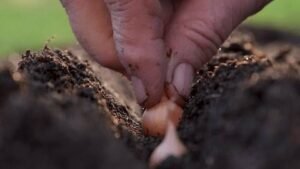
In your pollinator garden, selecting plants that bloom at different times throughout the growing season ensures a continuous supply of nectar and pollen from early spring to late fall. This is especially important in a pollinator garden because different species of pollinators are active at different times, and providing a consistent food source supports their entire life cycle. Early blooming bulbs, such as crocuses and scillas, and later flowering perennials, such as asters and goldenrods, keep your pollinator garden active and vibrant throughout the seasons.
When choosing flowers for your pollinator garden, opt for single-flowering varieties rather than double-flowering cultivars, which often produce less nectar and make it more difficult for pollinators to reach the pollen. In a pollinator garden, flowers with open, flat shapes, such as daisies, sunflowers, and coneflowers, are particularly attractive to bees and butterflies, while tubular flowers like salvias and penstemons are ideal for hummingbirds. A diverse mix of flower colors and shapes in your pollinator garden ensures it is attractive to a wide range of pollinator species, making it a flourishing and dynamic ecosystem.
Designing Your Pollinator Garden
Effective pollinator garden design maximizes the attractiveness and functionality of the space for pollinators. In a pollinator garden, planting in large drifts or clusters of the same species makes it easier for pollinators to locate and feed on the flowers. Grouping plants together in your pollinator garden not only creates visual impact but also improves the efficiency of pollination, as pollinators can move easily between plants of the same species, increasing the chances of successful pollination and seed set.
Including a mix of sun and shade in your pollinator garden provides diverse microhabitats that attract a wider range of pollinators. While most flowering plants for pollinator gardens prefer full sun, incorporating some shaded areas or dappled light allows for a greater diversity of plants and pollinators, supporting a broader ecosystem. A water source, such as a birdbath, shallow dish, or small pond, is also an important design element in a pollinator garden, providing water for pollinators and other wildlife, and enhancing the biodiversity and life of your pollinator garden.
Shelter and nesting sites are crucial components of a pollinator garden, providing safe places for pollinators to rest, reproduce, and overwinter. In a pollinator garden, installing bee houses, adding logs and brush piles, and leaving some areas of bare ground provide important nesting habitats for various bee species and other pollinators. Reducing the use of pesticides and herbicides in your pollinator garden is also essential for creating a healthy environment that protects pollinators and encourages the presence of these beneficial creatures.
Maintaining Your Pollinator Garden
Ongoing maintenance ensures your pollinator garden remains a healthy and inviting habitat for pollinators. In a pollinator garden, adopting a low-maintenance approach, such as reducing watering, leaving seed heads, and providing winter cover, supports natural life cycles and creates year-round habitat. Deadheading spent flowers in your pollinator garden encourages more blooms and extends the blooming season, maximizing food sources for pollinators.
Fertilizing your pollinator garden organically with compost or slow-release organic fertilizers supports healthy plant growth without harming beneficial insects and soil life. Avoiding synthetic pesticides and herbicides in your pollinator garden is essential for protecting pollinators, and if pest control is needed, using organic methods such as insecticidal soaps or neem oil minimizes harm. Organic pest control methods, applied correctly and sparingly, keep your pollinator garden thriving and safe for pollinators.
Observing and enjoying your pollinator garden is the best part of creating it. Spend time watching the interactions of pollinators in your garden, identifying different species, and appreciating the beauty and diversity you have created. Sharing your experiences and encouraging others to create pollinator gardens helps expand the network of pollinator-friendly habitats, contributing to the conservation and sustainability of these essential species. A pollinator garden is a rewarding and impactful way to support biodiversity and connect with nature.