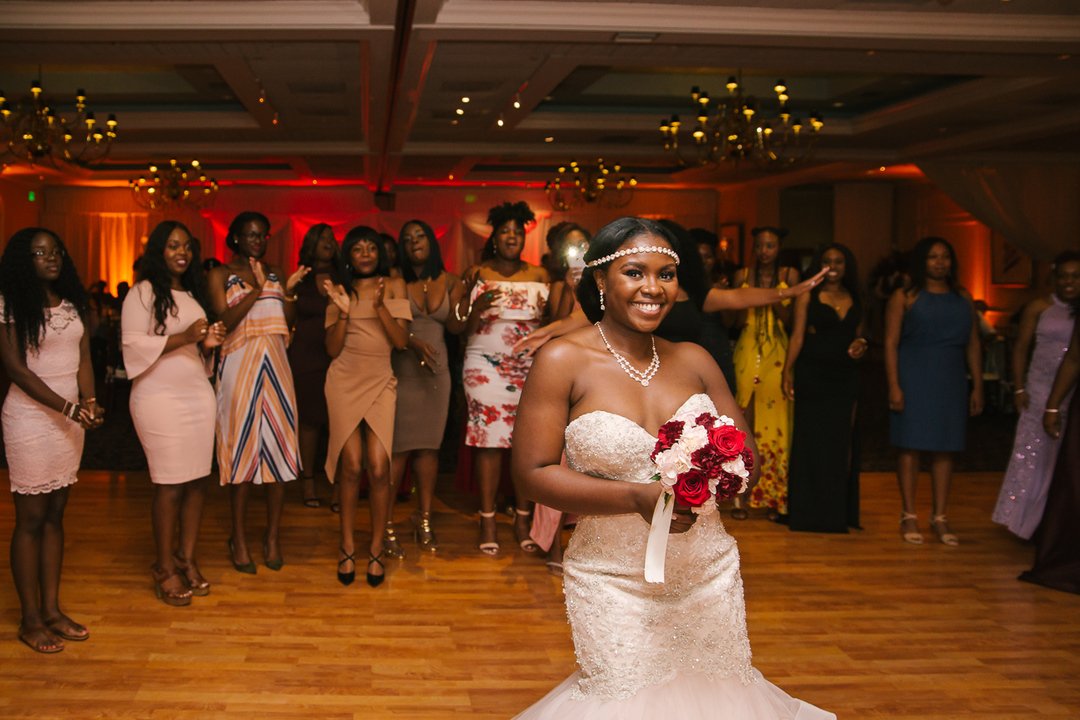
You’ve opened the wedding invitation, scanned the details, and there it is: “Black Tie Optional.” Your first thought? What does that even mean? Is it basically black tie, or more like fancy cocktail? Do you rent a tuxedo or just dust off your best suit? You’re not alone in the confusion—it’s one of the most debated dress codes out there. Couples love it because it strikes a balance between elegance and empathy, but guests often stare at their closets wondering if they’re about to overdress or underdress.
I’ve been to my fair share of weddings, including one where “black tie optional” led to a hilarious mix: half the room in full tuxedos and gowns looking like a red-carpet event, the other half in sharp dark suits and midi dresses feeling perfectly at home. The bride later laughed that she just wanted the photos to look polished without forcing anyone to buy or rent something extravagant. That’s the heart of it—flexibility with a nudge toward formality.
In this guide, we’ll break it down completely: what it really means, how it compares to other codes, what to wear (for men and women), common pitfalls, and tips to nail it without stress. By the end, you’ll feel confident picking an outfit that fits the vibe and honors the couple’s vision.
Why “Black Tie Optional” Trips Everyone Up
At its core, black tie optional signals a formal evening event where the couple hopes for a sophisticated, elevated look but doesn’t want to mandate the full black-tie commitment. Traditional black tie requires tuxedos for men and floor-length gowns for women—no exceptions. Adding “optional” softens that rule, acknowledging that not everyone has a tux hanging in the closet or wants to invest in one for a single night.
Experts like bridal stylists and etiquette guides describe it as a thoughtful compromise. The couple envisions glamour but prioritizes comfort for guests, especially with diverse crowds—family from different backgrounds, friends on budgets, or people who rarely dress up. It’s popular for upscale venues like ballrooms or estates, evening receptions, or winter weddings where elegance shines.
The confusion often stems from how little it changes things for women compared to men. Ladies can lean into long gowns either way, but guys get real choice. That asymmetry makes it feel vague, yet it’s designed to reduce pressure while keeping the room looking cohesive and celebratory.
Black Tie Optional vs. Other Common Wedding Dress Codes
To understand black tie optional, it helps to see where it sits on the formality ladder. Wedding dress codes range from ultra-casual backyard to white-tie extravagance, but most fall into these buckets.
Black Tie — Strict formality. Men: tuxedo, black bow tie, patent leather shoes. Women: floor-length evening gown (ankles covered), luxurious fabrics like silk or velvet. No shortcuts.
Black Tie Optional (or Formal) — The flexible middle ground. Men can wear tuxedos or dark suits. Women opt for long gowns or elegant ankle-grazing dresses/cocktail styles in formal fabrics.
Cocktail Attire — Sophisticated but relaxed. Men: suit and tie (no tux needed). Women: knee- to midi-length dresses, dressy separates. Hemlines rise, pressure drops.
Semi-Formal — Even more casual. Think dressy suits for men, cocktail or midi dresses for women—perfect for daytime or garden weddings.
Black tie optional sits just below strict black tie, offering choice without sacrificing polish. It’s more formal than cocktail but less rigid than mandatory tuxedos.
Here’s a quick comparison table:
| Dress Code | Formality Level | Men’s Attire Options | Women’s Attire Options | Typical Event Vibe |
|---|---|---|---|---|
| Black Tie | Highest | Tuxedo required (bow tie, etc.) | Floor-length gown (ankles covered) | Gala-like, evening elegance |
| Black Tie Optional | Very High | Tuxedo or dark suit + tie | Floor-length gown or fancy cocktail/midi | Upscale, glamorous but approachable |
| Cocktail | Medium-High | Suit + tie (dark colors preferred) | Knee- to midi-length dress | Chic party feel |
| Semi-Formal | Medium | Suit (lighter colors OK) | Midi or knee-length, dressy | Daytime or relaxed evening |
This ladder shows why black tie optional feels confusing—it’s close to black tie but opens doors that strict codes slam shut.
What Men Should Wear to a Black Tie Optional Wedding
For guys, this code is a gift. You can go full tuxedo if you love the classic look or feel the wedding leans ultra-elegant (check the venue and time—after 6 p.m. usually means more formal). Otherwise, a well-tailored dark suit works beautifully.
- Go tuxedo if: You own one, want to match the groomsmen vibe, or simply enjoy dressing up. Classic black tux with a white shirt, black bow tie, and polished patent shoes.
- Opt for a suit if: You’re renting or prefer practicality. Choose charcoal, navy, or black—avoid light colors or patterns that feel daytime. Pair with a crisp white or light blue shirt, conservative tie (or bow tie for extra polish), dark socks, and leather oxfords or loafers.
Pros of tuxedo: Timeless, elevates photos, shows effort. Cons: Can feel over-the-top if most guests suit up; rental costs add up.
Pros of dark suit: Versatile (wear to work later), more affordable, comfortable. Cons: Might look underdressed next to tuxedo-wearers.
My brother once showed up in a sharp navy suit to a black tie optional wedding while I went tux. Halfway through, he whispered, “I should’ve rented one—the photos are stunning.” Lesson learned: when in doubt, lean toward more formal.
What Women Should Wear to a Black Tie Optional Wedding
Women often have the easiest time because the options overlap heavily with black tie. Floor-length gowns remain ideal, but you can show ankles or go midi without raising eyebrows. Focus on elegant fabrics—silk, satin, chiffon, velvet—and avoid anything too casual like cotton or denim.
- Floor-length gown: Safe bet. Jewel tones, metallics, or classic black shine here.
- Ankle-length or midi cocktail dress: Perfect if you want less commitment. Choose structured, embellished styles.
- Jumpsuits or pantsuits: Dressy versions in formal fabrics work well—pair with statement jewelry.
Accessorize with glam: heels, clutch, subtle sparkle. Hair and makeup can go bold—updos, red lips, smoky eyes.
Pros of long gown: Glamorous, photo-ready, fits the “optional” spirit by going all out. Cons: Harder to dance in, travel with; might feel too much if venue is casual.
Pros of midi/cocktail: Comfortable, versatile for dancing, easier to find. Cons: Risk looking underdressed if most women go long.
A friend attended one in a stunning emerald midi dress with beading—she looked incredible and danced all night without tripping on a hem. The key? Confidence in your choice.
Common Mistakes Guests Make (and How to Avoid Them)
Even with clear guidelines, slip-ups happen. Here’s what to steer clear of:
- Light suits or khakis for men—too casual, stands out awkwardly.
- Short, beachy dresses or jeans for women—save for reception after-parties.
- Overly flashy patterns or neon—keep it elegant, not costume-like.
- Ignoring the season—velvet in summer or linen in winter feels off.
When my cousin wore a bright red mini to a black tie optional winter wedding, she spent the night tugging at it. The photos? She blended in like a tomato in a black forest. Match the mood.
Tips for Couples Using “Black Tie Optional” on Invites
If you’re planning and choose this code, clarify on your wedding website: “Black tie optional means tuxedos or dark suits for men, and floor-length gowns or elegant cocktail dresses for women. We want everyone comfortable and looking their best—no pressure!”
Add visuals: mood board photos or links to examples. It reduces guest anxiety and ensures cohesion.
People Also Ask (PAA)
Here are real common questions from Google searches:
What is the difference between black tie and black tie optional? Black tie requires tuxedos and full gowns strictly; black tie optional allows dark suits for men and more hemline flexibility for women while encouraging formal wear.
Can you wear a cocktail dress to black tie optional? Yes, especially fancy ones in luxurious fabrics. Midi or ankle-length works well, though long gowns are still preferred for max elegance.
Is black tie optional the same as formal? Usually, yes—many use them interchangeably. Both mean elevated attire with some flexibility.
Should I wear a tuxedo to black tie optional? If you want to and it fits your style—absolutely. But a sharp dark suit is perfectly acceptable and often more common.
What shoes for black tie optional? Men: polished black leather oxfords or loafers. Women: heels or elegant flats in metallic or neutral tones.
FAQ
Is black tie optional more formal than cocktail? Yes—it’s a step up. Cocktail allows shorter dresses and suits without tuxedos; black tie optional pushes toward longer hemlines and more polish.
Do I have to rent a tuxedo? No, that’s the “optional” part. A well-fitted dark suit with tie suffices and shows respect.
What if I’m unsure about the venue vibe? Ask the couple or check their registry/site for clues. Evening ballroom? Lean formal. Garden twilight? Slightly relaxed is fine.
Can I wear color? Definitely—jewel tones, metallics, deep hues add personality. Just keep it sophisticated.
How do I not overdress or underdress? Err on the side of dressing up. Better to be the sharpest in a suit than the one in jeans. Most guests appreciate the effort.
Black tie optional isn’t trying to trick you—it’s the couple’s way of saying, “We want magic and glamour, but we care about your comfort too.” Embrace the choice, pick what makes you feel great, and show up ready to celebrate. The photos will thank you, and so will your feet on the dance floor.