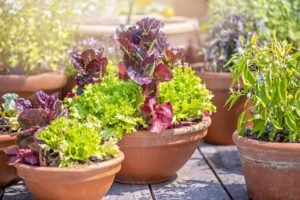
Herb Gardening at Home 2026: Best Herbs to Grow and Complete Guide for Beginners
Herb gardening at home is one of the most accessible and rewarding forms of gardening, offering the pleasure of fresh, aromatic herbs for cooking, health remedies, and beauty treatments. Whether you have a spacious garden, a sunny windowsill, or a small balcony, herb gardening allows you to enjoy the flavors and benefits of fresh herbs all year round. This comprehensive guide covers everything you need to know about herb gardening at home, from selecting the best herbs to grow to planting, harvesting, and using your herbs in everyday life.

Why Herb Gardening at Home is So Popular
Herb gardening at home has experienced a surge in popularity as people rediscover the joys and benefits of growing their own herbs. The primary motivation for starting herb gardening at home is access to fresh, flavorful herbs that are far superior to dried herbs in both taste and nutritional value. Fresh herbs from a home herb garden contain higher levels of essential oils, vitamins, and antioxidants than their dried counterparts, adding vibrant flavor and health benefits to every dish. The convenience of picking fresh herbs from your window or backyard makes herb gardening at home a practical and enjoyable addition to any kitchen.
Beyond the culinary advantages, herb gardening at home offers numerous health and well-being benefits. The process of caring for herbs is therapeutic and grounding, providing a mindful activity that reduces stress and promotes relaxation. Many herbs grown in home herb gardening have medicinal properties, such as chamomile for relaxation, lavender for sleep, and mint for digestive health. Incorporating herbs from your herb gardening at home into teas, tinctures, and salves allows you to benefit from their natural healing properties in a safe and sustainable way.
Herb gardening at home is also highly accessible, requiring minimal space, time, and money compared to other forms of gardening. Even those with no prior gardening experience can succeed with herb gardening, as many herbs are exceptionally hardy and forgiving. The satisfaction of growing your own herbs and using them in your cooking provides a sense of accomplishment and self-sufficiency, contributing to a more sustainable and mindful lifestyle. For anyone interested in gardening, herb gardening at home is the perfect starting point.
Choosing the Best Herbs for Herb Gardening at Home
When beginning herb gardening at home, selecting the right herbs to grow is crucial for success and enjoyment. Basil is one of the most popular herbs for herb gardening at home, prized for its sweet and peppery flavor that is essential in Italian and Thai cuisine. Basil is easy to grow from seeds in warm, sunny locations and provides an abundant harvest throughout the summer. The classic basil varieties such as Genovese basil are excellent for pesto, while Thai basil and lemon basil offer unique flavors for different culinary uses in herb gardening.
Mint is another essential herb for herb gardening at home, known for its refreshing flavor and vigorous growth. Mint is incredibly easy to grow and rapidly spreads, making it perfect for containers to keep it contained in herb gardening. Varieties such as spearmint, peppermint, and chocolate mint provide different flavors for teas, desserts, and savory dishes. In herb gardening at home, mint is also valued for its medicinal properties, including soothing digestive issues and relieving headaches. The versatility and ease of growing mint make it a favorite among herb gardening enthusiasts.
Thyme, rosemary, oregano, and sage are hardy perennial herbs that are staples of herb gardening at home. These Mediterranean herbs thrive in sunny, well-drained conditions and are drought-tolerant once established, making them perfect for those new to herb gardening. Rosemary, with its woody fragrance and needle-like leaves, is excellent for roasting meats and vegetables, while thyme is a versatile herb that complements a wide range of dishes. In herb gardening at home, these herbs are also valued for their antimicrobial properties and are often used in natural remedies and infused oils.
Essential Steps for Successful Herb Gardening at Home
Starting herb gardening at home begins with selecting the right location and preparing the growing environment. Most culinary herbs require at least six hours of direct sunlight per day to thrive, so choose the sunniest spot in your garden or windowsill. In herb gardening at home, south-facing windows are ideal for indoor herb gardens, providing the best natural light for herb growth. If natural light is limited, growing herbs in containers near a south-facing window or using grow lights can supplement the light needs for successful herb gardening.
Soil preparation is essential for herb gardening at home, as herbs require well-drained soil to prevent root rot and other diseases. In herb gardening, using a high-quality potting mix combined with perlite or sand ensures excellent drainage, which is particularly important for Mediterranean herbs like rosemary and thyme. For herb gardening in raised beds or in-ground gardens, enriching the soil with compost and organic matter provides the nutrients and structure needed for healthy herb growth. Testing soil pH is also beneficial in herb gardening, as most herbs prefer neutral to slightly alkaline conditions.
Watering practices are critical in herb gardening at home and vary depending on the herb and the growing conditions. In herb gardening, a general guideline is to water when the top inch of soil feels dry to the touch. Herbs like basil and mint prefer consistently moist soil, while rosemary and lavender thrive in drier conditions and may suffer from overwatering. In herb gardening at home, watering in the morning allows the foliage to dry during the day, reducing the risk of fungal diseases. Mulching around herbs helps retain moisture and suppress weeds in herb gardening.
Growing Herbs Indoors for Year-Round Herb Gardening at Home
Indoor herb gardening at home offers the possibility of enjoying fresh herbs throughout the year, regardless of the outdoor climate. To start indoor herb gardening, choose a sunny windowsill that receives at least six hours of direct sunlight per day. In herb gardening at home, south-facing windows are best, but east or west-facing windows can also work for herbs that tolerate lower light levels. A windowsill herb gardening setup is a simple and effective way to have fresh herbs readily available in your kitchen for cooking and garnishing.
Container selection is important in indoor herb gardening at home, with pots needing to provide adequate drainage and accommodate the mature size of the herbs. In herb gardening, using clay or terracotta pots is beneficial as they allow moisture to evaporate, reducing the risk of overwatering. However, plastic and resin containers are also suitable for herb gardening and come in various sizes and styles. For herbs grown indoors, adding a layer of pebbles at the bottom of the container before adding soil improves drainage in herb gardening.
Indoor herb gardening at home also requires attention to humidity and temperature, as homes can be dry and heated, particularly in winter. Misting the leaves of herbs regularly increases humidity and prevents them from drying out in herb gardening. Grouping herbs together in herb gardening also raises the humidity around the plants and creates a microclimate that supports their growth. Providing consistent temperatures between 65 and 75 degrees Fahrenheit, and protecting herbs from drafts and sudden temperature changes, supports healthy growth in herb gardening.
Harvesting and Using Herbs from Herb Gardening at Home
Harvesting herbs is one of the most rewarding aspects of herb gardening at home, providing fresh flavors and scents for your culinary creations. In herb gardening, the best time to harvest herbs is in the morning after the dew has dried but before the heat of the day, as this is when the essential oils in the herbs are at their peak. For most herbs, regular harvesting encourages bushier growth, preventing them from becoming leggy and flowering, which can diminish flavor in herb gardening.
There are different harvesting techniques for different herbs in herb gardening at home. For leafy herbs like basil and mint, pinch or cut the stems just above a pair of leaves to encourage branching and continuous harvest. For herbs like rosemary and thyme, cut sprigs as needed, leaving enough growth for the plant to regenerate. In herb gardening, using sharp, clean scissors or pruning shears prevents damage to the plant tissues and reduces the risk of disease. Harvesting herbs regularly also keeps herb gardening plants healthy and productive throughout the season.
After harvesting, herbs from herb gardening at home can be used fresh or preserved for later use. Fresh herbs are delicious in salads, sauces, and marinades, adding a burst of flavor and aroma to dishes. For preserving herbs, drying is one of the simplest methods used in herb gardening, involving hanging bunches of herbs in a warm, dark, and well-ventilated space. Freezing herbs in oil or water preserves their flavor, while freezing individual portions of herbs in ice cube trays is a convenient method for adding herbs to soups, stews, and sauces. Herbs from herb gardening at home can also be infused into oils, vinegars, and teas for long-term enjoyment.
Leave a Reply