Garden Landscaping Ideas for Homeowners 2026: Complete Guide to Transform Your Outdoor Space
Garden landscaping is an exciting journey that transforms your outdoor space into a beautiful and functional extension of your home. Whether you are dreaming of a peaceful retreat, a vibrant entertaining area, or a child-friendly garden, garden landscaping allows you to bring your vision to life while adding value to your property. This comprehensive guide provides essential garden landscaping ideas for homeowners, covering everything from planning and design to plant selection and ongoing maintenance, helping you create the garden of your dreams.
Why Garden Landscaping is a Smart Investment
Garden landscaping is one of the most valuable investments you can make in your home, significantly enhancing both its aesthetic appeal and market value. A well-designed landscaped garden creates an inviting first impression, increasing kerb appeal and making your property more attractive to potential buyers. Beyond the financial benefits, garden landscaping provides a beautiful outdoor living space where you can relax, entertain guests, and enjoy nature without leaving home. The carefully planned garden landscape creates a seamless connection between the interior and exterior of your home, enhancing the overall living experience.
Effective garden landscaping also contributes to environmental sustainability, supporting local biodiversity and improving the ecological health of your surroundings. By incorporating native plants, trees, and shrubs, garden landscaping provides essential habitats for birds, bees, butterflies, and other wildlife. Additionally, garden landscaping with permeable surfaces, rain gardens, and appropriate planting reduces stormwater runoff, prevents soil erosion, and helps manage water resources. The environmental benefits of garden landscaping extend beyond your property, contributing to healthier communities and ecosystems.
Garden landscaping also offers significant personal benefits, providing a space for outdoor recreation, physical activity, and mental well-being. Gardening and spending time in a landscaped garden have been shown to reduce stress, improve mood, and increase overall happiness. The process of garden landscaping itself is a creative and fulfilling endeavor that allows you to express your personality and style while creating a unique outdoor environment. Whether you enjoy gardening as a hobby or simply relaxing in a beautiful garden, landscaping enhances your quality of life.
Essential Garden Landscaping Ideas for Planning
Successful garden landscaping begins with thoughtful planning that considers your needs, preferences, and the specific conditions of your site. The first step in garden landscaping is to assess your space, taking into account the size, shape, soil type, and existing features such as trees, structures, and boundaries. Observing your garden throughout the day helps you understand how light and shade move across the space, which is crucial in garden landscaping for positioning different areas and selecting appropriate plants. A thorough site analysis guides your decisions and ensures your landscaping plan works harmoniously with the existing environment.
Defining the purpose and functions of your garden is another important step in garden landscaping. Consider how you want to use your outdoor space, whether for relaxation, entertaining, gardening, or children’s play. In garden landscaping, creating separate zones for different activities, such as a seating area, a dining area, a play area, and a quiet garden retreat, organizes the space and improves its functionality. The layout and flow of garden landscaping should facilitate easy movement between zones, create logical connections, and make the most of the available space.
Selecting a design style is also an essential part of garden landscaping, as it determines the overall look and feel of your garden. Popular garden landscaping styles include modern minimalist, with clean lines and simple plantings; traditional English, with lush borders and classic features; Mediterranean, with drought-tolerant plants and warm colors; and tropical, with bold foliage and exotic blooms. In garden landscaping, choosing a style that complements the architecture of your home and reflects your personal taste ensures a cohesive and beautiful garden that feels like a natural extension of your living space.
Garden Landscaping Ideas for Hardscaping Features
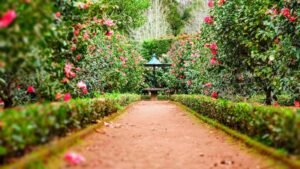
Hardscaping is an integral part of garden landscaping, providing structure and functionality through the use of non-plant materials such as stone, wood, metal, and concrete. Pathways and walkways are essential hardscaping elements in garden landscaping, guiding visitors through the garden and connecting different zones. Materials for pathways in garden landscaping range from natural stone and gravel to brick and concrete pavers, each offering a different aesthetic and feel. Well-designed pathways enhance the visual appeal of garden landscaping while improving accessibility and usability of the space.
Decks, patios, and seating areas are key hardscaping features in garden landscaping that create outdoor living spaces for dining, entertaining, and relaxation. The location and size of these areas are determined by the amount of sun, shade, and shelter they will provide, as well as the desired view and connection to the house. In garden landscaping, choosing durable, weather-resistant materials such as composite decking, natural stone paving, or textured concrete ensures longevity and ease of maintenance. Integrating comfortable outdoor furniture, lighting, and accessories completes the garden landscaping and makes these areas truly inviting.
Water features and structures are also important in garden landscaping, adding visual interest, movement, and sound to the garden. Water features in garden landscaping range from simple birdbaths and decorative fountains to elaborate ponds and waterfalls, each adding a sense of tranquility and sophistication. Pergolas, gazebos, and trellises are structural features in garden landscaping that provide shade and vertical interest, supporting climbing plants and creating shaded spaces for relaxation. Incorporating these elements into your garden landscaping adds character and enhances the overall sensory experience of the garden.
Garden Landscaping Ideas for Plant Selection and Planting
Plant selection is a crucial aspect of garden landscaping, as the choice of trees, shrubs, perennials, and annuals determines the color, texture, and character of the garden. In garden landscaping, considering the height, spread, and growth rate of each plant is essential for successful growth and aesthetics. Layering plants by height, with taller trees and shrubs at the back, medium plants in the middle, and low-growing groundcovers in front, creates depth and dimension in garden landscaping. Choosing a mix of deciduous and evergreen plants ensures year-round interest and structure in the landscape.
Color is an important design element in garden landscaping, creating mood and visual appeal through the harmonious combination of flowers, foliage, and bark. In garden landscaping, applying color theory helps create vibrant displays that are visually pleasing and balanced. Planting in drifts or clusters of the same color or complementary colors creates impact and unity in garden landscaping, while contrasting colors add excitement and focal points. The careful selection of plants that bloom at different times ensures continuous color throughout the growing season, enhancing the beauty and enjoyment of garden landscaping.
Creating specific garden areas, such as perennial borders, woodland gardens, or rock gardens, adds variety and interest in garden landscaping. Perennial borders in garden landscaping are popular features that provide long-lasting beauty with a changing show of flowers and foliage throughout the seasons. Woodland gardens, with shade-loving plants, ferns, and naturalizing bulbs, are ideal for garden landscaping in shaded areas where the natural woodland feel is desired. Rock gardens are perfect for garden landscaping on slopes or in areas with excellent drainage, showcasing the natural beauty of alpine plants and succulents in a stunning and unique display.
Garden Landscaping Maintenance Tips for Long-Term Beauty
Maintaining a beautifully landscaped garden requires ongoing care and attention, but with the right practices, garden landscaping remains beautiful for many years. Regular watering is essential in garden landscaping, especially during dry spells and for newly planted areas. In garden landscaping, deep, infrequent watering encourages deep root growth and drought tolerance in established plants. Watering early in the day in garden landscaping reduces water loss through evaporation and lowers the risk of fungal diseases, supporting overall plant health.
Pruning is another important garden landscaping maintenance practice, shaping plants, controlling their size, and removing dead or diseased growth. Regular pruning in garden landscaping promotes healthy growth, enhances flowering and fruiting, and maintains the desired form of the plant. The timing and technique of pruning in garden landscaping depend on the type of plant and its flowering habits. General garden landscaping pruning tips include removing spent flowers, thinning crowded growth, and cutting back perennials to encourage fresh growth and maintain tidiness.
Fertilizing and mulching are also key to successful garden landscaping, providing nutrients and protecting soil health. In garden landscaping, adding organic fertilizers and compost provides essential nutrients for plant growth and improves soil structure. Applying mulch around garden landscaping plants helps retain moisture, suppress weeds, and regulate soil temperature. Regular garden landscaping maintenance, including weeding, pest control, and seasonal clean-up, ensures that your garden remains a beautiful and enjoyable space for years to come.
Leave a Reply