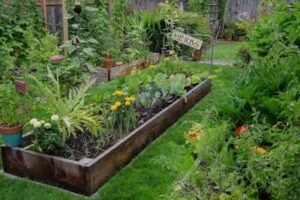
Flower Gardening Ideas for Beginners 2026: Easy Tips to Grow Beautiful Flower Garden at Home
Creating a beautiful flower garden is one of life’s greatest pleasures, offering a kaleidoscope of colors, textures, and fragrances that transform any outdoor space into a living work of art. Flower gardening is an art form that combines creativity, patience, and a touch of science, resulting in a garden that evolves and grows more beautiful with each passing season. This comprehensive guide provides essential flower gardening ideas for beginners, covering everything from planning and planting to ongoing care and seasonal maintenance, helping you create a stunning flower garden that brings joy and beauty to your home.

Why Flower Gardening is a Rewarding Hobby
Flower gardening offers countless rewards that extend far beyond the visual beauty of the blooms themselves. The process of designing, planting, and nurturing a flower garden provides a creative outlet that allows you to express your personal style and artistic vision. Whether you prefer the formal elegance of a rose garden, the casual charm of a cottage garden, or the modern simplicity of a minimalist planting scheme, flower gardening offers endless possibilities for self-expression and creativity.
Engaging in flower gardening has been shown to provide significant mental health benefits, reducing stress, anxiety, and depression while promoting mindfulness and a sense of peace. The act of tending to plants, watching them grow and bloom, provides a meditative focus that helps gardeners disconnect from the pressures of daily life and reconnect with the natural world. Additionally, spending time outdoors in your flower garden encourages physical activity, from digging and planting to weeding and watering, contributing to overall physical health and well-being.
Flower gardening also contributes to the health of the environment by providing essential habitat for pollinators such as bees, butterflies, and hummingbirds. By choosing a variety of flowering plants that bloom at different times throughout the year, you can create a garden that supports wildlife and promotes biodiversity. In an era of declining pollinator populations, flower gardening has taken on new importance as a way to help sustain the ecosystems that are vital to our food supply and the health of our planet.
Essential Flower Gardening Ideas for Planning Your Garden
Successful flower gardening begins with thoughtful planning that takes into account the specific conditions of your garden space and your personal preferences. The first consideration is understanding the light conditions in your garden, as different flowers have different requirements. Full sun flowers like roses, sunflowers, and zinnias require at least six hours of direct sunlight per day, while shade-loving flowers such as hydrangeas, impatiens, and hostas thrive in areas with dappled shade or limited sun exposure. Assessing your garden’s light conditions early in the planning process helps you choose the right flowers for your space.
Another important flower gardening idea is to consider your soil type and quality. Most flowers prefer well-drained soil that is rich in organic matter. Testing your soil pH can help you determine if your soil is acidic, neutral, or alkaline, which affects nutrient availability to plants. Many flowers prefer neutral to slightly acidic soil, but specific plants have unique requirements that should be considered when planning your flower garden. Amending your soil with compost, well-rotted manure, or other organic matter improves its structure and fertility, providing a solid foundation for your flower gardening success.
When planning your flower garden, consider the principles of design, including color schemes, height progression, and bloom times. In flower gardening, selecting a cohesive color palette creates visual harmony and impact in your garden. Grouping flowers by color or planting complementary colors creates stunning visual effects. Additionally, arranging flowers by height, with taller plants at the back and shorter ones in front, ensures that all plants are visible and creates a sense of depth and dimension. Thoughtful planning also includes selecting flowers that bloom at different times to ensure continuous color throughout the growing season.
Top Flower Gardening Ideas for Choosing the Right Plants
Choosing the right plants is one of the most important flower gardening ideas for beginners, as selecting suitable plants sets you up for success. Annual flowers such as marigolds, petunias, cosmos, and impatiens provide a spectacular show of color throughout the growing season and are perfect for filling gaps and adding instant impact. Annuals complete their lifecycle in one season, allowing you to experiment with different colors and combinations each year. They are generally easy to grow from seeds or starts, making them an excellent choice for beginners to flower gardening.
Perennial flowers offer long-term investment in your flower gardening efforts, as they return year after year with reliable blooms and increasing size. Peonies, daylilies, coneflowers, and black-eyed Susans are popular perennials that provide beautiful blooms and are relatively low-maintenance once established. When incorporating perennials into your flower gardening plan, consider their mature size, bloom time, and care requirements to ensure they are placed appropriately in your garden. Perennial plants also provide structure and continuity in the garden, with their foliage and forms providing interest even when not in bloom.
Biennial flowers, such as foxgloves and hollyhocks, are another category of flowering plants that bring a unique charm to flower gardening. These plants have a two-year lifecycle, producing foliage in the first year and flowers in the second year. While they require patience compared to annuals, biennials often self-seed, ensuring a continuous presence in your garden over time. Bulb flowers, including tulips, daffodils, and lilies, are essential for spring flower gardening, providing vibrant color after the winter months and heralding the arrival of the growing season. Planning a combination of annuals, perennials, biennials, and bulbs ensures year-round interest and beauty in your flower garden.
Flower Gardening Ideas for Planting and Maintenance
Proper planting techniques are fundamental to successful flower gardening and greatly influence the health and performance of your plants. The best time to plant most flowers is in the spring after the last frost, when the soil has warmed sufficiently to support root growth. However, fall planting is also beneficial for certain perennials and bulbs, as the cooler weather allows plants to establish roots before the heat of summer. When planting, prepare the planting hole to be twice as wide as the plant’s root ball, which encourages roots to spread outward into the surrounding soil.
Watering is a critical component of flower gardening and requires careful attention, especially during the establishment period. After planting, water thoroughly to settle the soil around the roots and remove any air pockets. During the first few weeks, water regularly to keep the soil consistently moist but not waterlogged. Once established, most flowering plants benefit from deep, infrequent watering, which encourages deep root growth and drought tolerance. In flower gardening, watering early in the morning is preferable, as it allows the foliage to dry out during the day, reducing the risk of fungal diseases.
Mulching is another essential flower gardening practice that provides numerous benefits to your plants and garden. A layer of organic mulch, such as shredded bark, compost, or pine straw, helps retain soil moisture, suppresses weed growth, and moderates soil temperatures. As the mulch breaks down over time, it adds organic matter to the soil, improving its fertility and structure. In flower gardening, applying mulch in the spring, after the soil has warmed, and again in the fall, helps protect plant roots from winter cold and promotes healthy growth in the following season.
Seasonal Flower Gardening Ideas for Year-Round Beauty
Creating a flower garden that provides interest and beauty throughout all seasons requires thoughtful planning and careful plant selection. Spring flower gardening is characterized by the vibrant colors of bulbs, such as tulips, daffodils, and crocuses, along with early blooming perennials like primroses, lungworts, and hellebores. These early flowers bring joy after the winter months and provide essential nectar for early pollinators emerging from hibernation. Spring is also the ideal time for planting new perennials and dividing existing plants to rejuvenate your garden.
Summer flower gardening is the peak of color and abundance in the garden, with roses, hydrangeas, lilies, coneflowers, and daylilies providing spectacular displays. Summer is also the time when annuals reach their peak, filling garden beds with vibrant color and attracting a wide range of pollinators. Regular deadheading, the removal of spent flowers, is an important summer flower gardening practice that encourages continued blooming, keeps plants looking tidy, and prevents energy from being diverted to seed production.
Fall flower gardening extends the beauty of your garden into the cooler months, with asters, chrysanthemums, sedums, and ornamental grasses providing rich autumnal colors. Fall is also an excellent time for planting spring-blooming bulbs, which require a period of cold dormancy to bloom in the spring. As leaves begin to fall, flower gardening transitions to autumn clean-up, including cutting back spent perennials, removing annuals that have finished blooming, and applying a protective layer of mulch to overwintering plants.
Leave a Reply