Hidden Gems 2026: 15 Off-the-Beaten-Path Travel Destinations You Must Visit
Word Count: ~2,200 words | Reading Time: 11 minutes
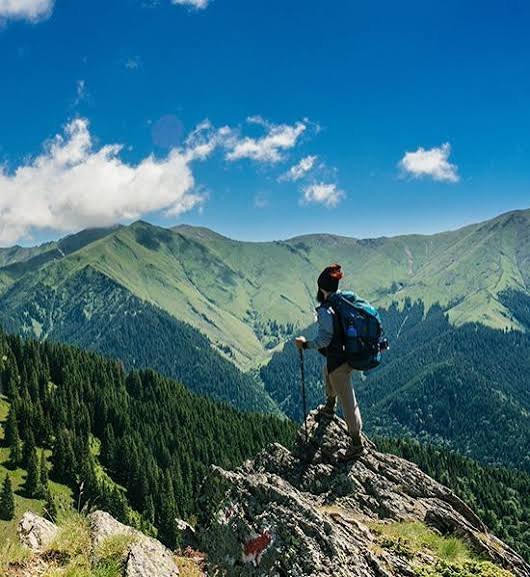
Off-the-beaten-path destinations offer authentic experiences and fewer crowds.
Introduction: The Appeal of Hidden Gems
In an era of mass tourism and social media-driven travel, finding an undiscovered destination feels like a precious achievement. The appeal of off-the-beaten-path travel lies in the authenticity of the experience—exploring a place that has not yet been homogenized by mass tourism, where local culture still thrives, and where you can connect with the destination and its people in a meaningful way.
Hidden gems offer travelers a chance to escape the crowds, avoid the tourist traps, and discover something genuinely unique. They provide a sense of adventure, a connection to local culture, and experiences that are not replicated in travel brochures. Whether you are seeking a remote beach, a historic village, or a breathtaking natural wonder, the hidden gems of 2026 offer unparalleled opportunities for discovery and exploration.
This guide presents 15 of the best off-the-beaten-path destinations for 2026, carefully selected for their cultural richness, natural beauty, and relative lack of mass tourism. Each destination offers a unique experience, from the remote villages of Southeast Asia to the wild landscapes of South America, providing inspiration for your next adventure off the tourist trail.
Unspoiled Beaches and Island Paradises
1. Palawan, Philippines
Palawan is often described as the last frontier of the Philippines, offering pristine beaches, turquoise waters, and rich biodiversity. While the island of El Nido has become more popular, the Puerto Princesa area and the surrounding islands remain relatively undiscovered, offering a serene alternative to more crowded destinations. The Puerto Princesa Underground River, a UNESCO World Heritage site, is a must-visit natural wonder that can be explored via a guided boat tour.
Palawan’s Dive Sites are legendary, with the Tubbataha Reefs National Marine Park offering world-class diving experiences. The park is accessible via liveaboard trips, providing an exclusive opportunity to explore the region’s incredible underwater biodiversity. The island’s traditional villages and friendly locals add a cultural depth to the experience, offering insights into the region’s unique history and traditions.
2. Zanzibar, Tanzania
Zanzibar is an archipelago off the coast of Tanzania, offering pristine beaches, turquoise waters, and a fascinating Swahili culture. While Stone Town and the northern beaches have seen an increase in tourism, the eastern and southern coasts remain relatively undiscovered. The island’s spice farms, historical sites, and maritime heritage provide unique cultural experiences.
Zanzibar’s pristine beaches, such as those at Paje and Jambiani, are ideal for relaxation, water sports, and exploring the local culture. The island also offers a range of activities, including dhow sailing, snorkeling, and diving, with the opportunity to see dolphins, whale sharks, and coral reefs. The local food, a blend of African, Indian, and Arab influences, is a culinary delight that adds to the cultural richness of the experience.
Mountain Escapes and Natural Wonders
3. Georgia’s Svaneti Region
Georgia’s Svaneti region is a remote, mountainous area in the Caucasus, offering some of the most spectacular hiking and mountain scenery in the world. The region’s iconic Svan towers, medieval churches, and rich cultural traditions provide a unique blend of history and nature. The village of Mestia is the main hub, offering access to trekking routes, ski fields, and local cultural experiences.
The region’s trekking opportunities range from easy walks to challenging multi-day treks, with stunning views of the Caucasus Mountains. The Svaneti region is also home to the UNESCO-listed Ushguli, the highest continuously inhabited village in Europe, offering a glimpse into a traditional way of life that has endured for centuries. The best time to visit is in summer, when the weather is favorable for outdoor activities.
4. Wadi Rum, Jordan
Wadi Rum is one of the most spectacular desert landscapes in the world, offering rugged sandstone mountains, deep canyons, and vast sandy plains. The area is known for its Bedouin culture, with opportunities to explore the desert on a jeep tour, camel trek, or hot air balloon ride. The landscape’s unique geological formations and vibrant colors have made it a popular location for film productions.
Wadi Rum is also a destination for stargazing, with its remote location offering some of the darkest skies in the Middle East. The area’s tranquility and beauty provide a peaceful escape from the modern world, and the authentic Bedouin hospitality adds a layer of cultural richness to the experience.
Cultural and Historical Treasures
5. Matera, Italy
Matera is a stunning city in southern Italy, carved into limestone rock, and is one of the oldest continuously inhabited cities in the world. The city is famous for its Sassi district, a complex network of cave dwellings and rock-hewn churches that date back to the Neolithic period. Matera has been designated a UNESCO World Heritage site and has experienced a revival in recent years, with the restoration of its historic core and the introduction of cultural events and museums.
Despite its UNESCO status, Matera remains relatively undiscovered compared to more famous Italian cities, offering an authentic Italian experience. The city’s unique architecture, rich history, and vibrant cultural scene make it a compelling destination for those interested in history, art, and architecture.
6. Chefchaouen, Morocco
Chefchaouen, often referred to as the “Blue Pearl” of Morocco, is a small mountain city renowned for its unique blue-painted buildings. The city’s relaxed atmosphere, beautiful mountain setting, and vibrant market make it a popular destination for travelers seeking an authentic Moroccan experience away from the crowds of Marrakech and Fez.
The city is famous for its blue-tinged medina, where narrow streets wind through a maze of buildings, each shade of blue creating a visually stunning effect. The market offers a range of local crafts, including pottery, textiles, and traditional leather goods, while the surrounding Rif Mountains offer opportunities for hiking and trekking. Chefchaouen is also known for its friendly locals, who add to the city’s welcoming and relaxed vibe.
Wildlife Encounters and Nature Reserves
7. Loango National Park, Gabon
Loango National Park is one of the most incredible wildlife destinations in Africa, offering the chance to see forest elephants, hippos, and gorillas in a pristine coastal environment. The park is accessible via a combination of boat and vehicle, and there are opportunities for hiking, bird watching, and wildlife observation. The park’s untouched beaches and forested landscapes offer a unique blend of land and sea exploration.
Loango National Park is also a destination for birdwatchers, with over 300 species recorded, including the African fish eagle, the dwarf kingfisher, and the white-fronted bee-eater. The park’s relatively untouched environment and lack of crowds provide an intimate and immersive wildlife experience that is rare in more developed destinations.
Conclusion: Embracing the Spirit of Discovery
Hidden gem destinations offer a unique opportunity to connect with a place in its most authentic form. They provide a sense of discovery, a connection to local communities, and experiences that are not replicated by mass tourism. Whether you are exploring the remote mountains of Svaneti, the vibrant culture of Chefchaouen, or the incredible wildlife of Loango National Park, these destinations offer a journey that goes beyond the ordinary.
As you plan your travels in 2026, consider venturing off the beaten path. The world is full of hidden gems waiting to be discovered, and each one offers the promise of a unique and enriching experience. Embrace the spirit of exploration, and you will create memories that will last a lifetime.